The emergence of GPT-5 has significantly altered the landscape of artificial intelligence applications, particularly in the realm of conversational agents. As businesses and developers seek to enhance user interactions, the capabilities of GPT-5 offer groundbreaking advancements that promise to reshape the industry. From improved natural language processing to more intuitive chatbot functionalities, GPT-5 is setting a new standard for AI applications.
How GPT-5 on AI Applications is Transforming Conversational Agents
Understanding GPT-5’s Core Features
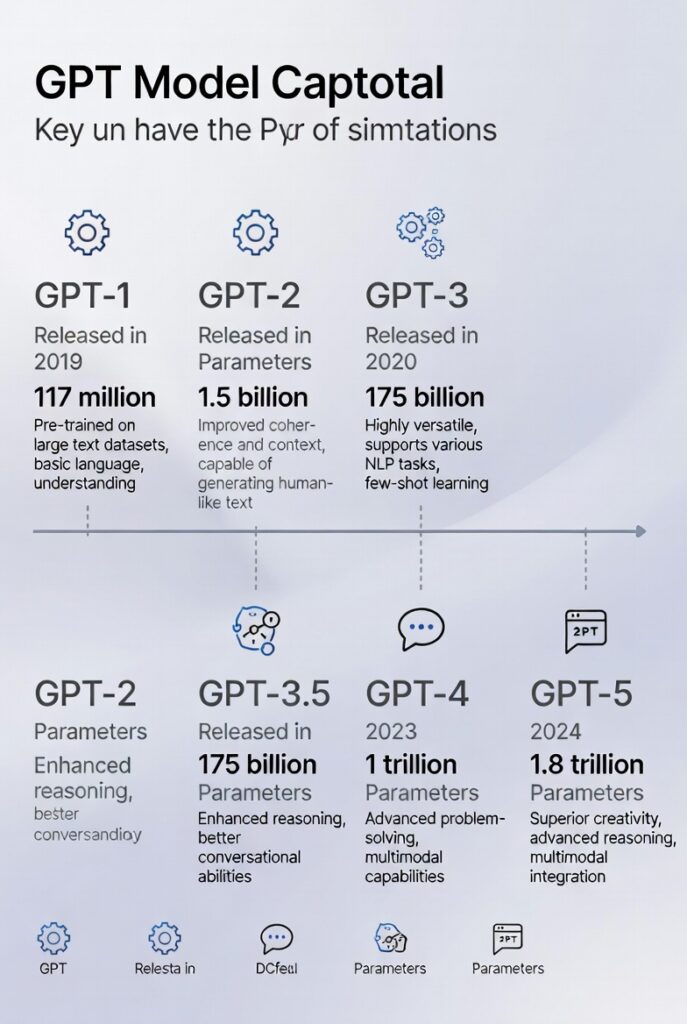
GPT-5 is built on the principles of its predecessors, with enhancements that drive performance and usability. Key features include:
- Advanced Language Understanding: GPT-5 employs refined algorithms that enable it to grasp context more effectively, leading to responses that are not only relevant but also nuanced.
- Greater Conversational Depth: Unlike earlier models, GPT-5 can maintain the context of conversations over longer exchanges, making interactions feel more natural.
- Multi-Modal Capabilities: GPT-5 can integrate text with images and potentially other formats, expanding its utility beyond text-based applications.
These features collectively contribute to a more engaging user experience, vital for businesses focusing on customer service and support.
The Role of GPT-5 in Chatbot Development
Chatbots are at the forefront of AI applications, particularly in customer engagement. With the introduction of GPT-5, developers can create chatbots that are not only responsive but also capable of carrying out more complex tasks. Here’s how GPT-5 enhances chatbot development:
- Personalization: GPT-5 can analyze user data to provide tailored responses, improving user satisfaction and engagement.
- Contextual Awareness: The ability to understand and remember previous interactions allows chatbots to engage users in more meaningful conversations.
- Problem-Solving: With enhanced reasoning skills, GPT-5-powered chatbots can assist users in troubleshooting issues more effectively than ever before.
As organizations increasingly adopt AI-driven solutions, the demand for sophisticated chatbots powered by models like GPT-5 continues to grow.
Benefits of GPT-5 in AI Applications
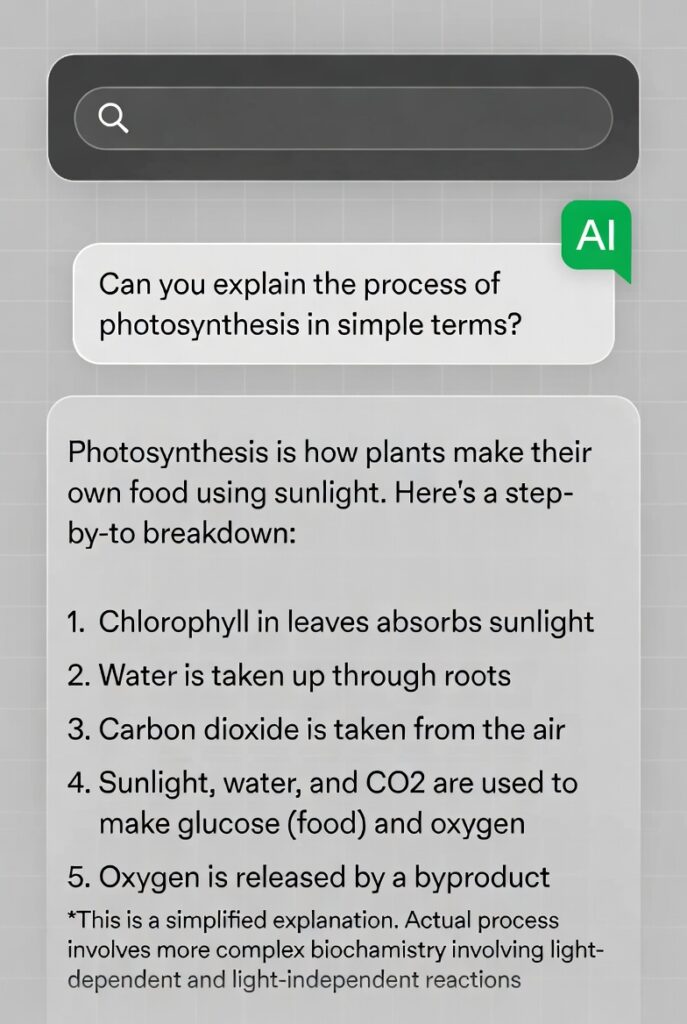
The integration of GPT-5 into AI applications offers numerous benefits, including:
- Improved Efficiency: Automating responses with advanced AI reduces the workload on human agents, allowing them to focus on more complex inquiries.
- Cost-Effectiveness: Investing in AI solutions like GPT-5 can lead to significant savings in operational costs, particularly for businesses relying on customer support.
- Scalability: AI applications can easily scale operations to handle varying volumes of customer interactions without compromising quality.
These advantages make GPT-5 an attractive option for businesses looking to enhance their AI capabilities.
Risks and Considerations
While GPT-5 presents numerous opportunities, it also introduces certain risks that organizations must consider:
- Ethical Concerns: The capacity for generating human-like responses raises ethical questions regarding the potential misuse of AI in misinformation or deceptive practices.
- Dependency on Technology: Over-reliance on AI could lead to diminished human oversight, which is critical in sensitive situations.
- Data Privacy: Handling user data responsibly is essential to maintain trust and comply with regulations.
Organizations should implement robust guidelines to mitigate these risks while leveraging GPT-5’s capabilities.
Future Outlook: GPT-5 and Beyond
As AI technology continues to advance, the future of GPT-5 and similar models looks promising. Potential developments include:
- Enhanced Emotional Intelligence: Future iterations could better recognize and respond to user emotions, creating more empathetic interactions.
- Integration with Other Technologies: Combining GPT-5 with other AI technologies, such as machine learning or computer vision, could create even more powerful applications.
- Broader Adoption Across Industries: From healthcare to education, the versatility of GPT-5 may lead to its adoption in diverse sectors, enhancing operational efficiency and user experience.
The ongoing evolution of GPT-5 will likely shape the trajectory of AI applications for years to come.
Incorporating GPT-5 into AI applications marks a pivotal moment in the field of artificial intelligence. Its advanced capabilities not only improve the functionality of chatbots but also redefine user interactions across various platforms. As businesses continue to explore the full potential of this innovative technology, the implications for customer service, engagement, and operational efficiency are profound.