Home Blog Page 3

How Can I Keep ChatGPT 3.5 Mode? Tips to Continue Free Access

0
How Can I Keep ChatGPT 3.5 Mode Tips to Continue Free Access

How Can I Keep ChatGPT 3.5 Mode? In a world where artificial intelligence tools like ChatGPT have become integral to productivity, creativity, and learning, keeping access to these tools, especially for free, is a priority for many. ChatGPT 3.5, known for its conversational prowess and versatility, is highly sought after. Here, we explore how you can maintain free access to ChatGPT 3.5 mode and make the most out of it.

How Can I Keep ChatGPT 3.5 Mode? Tips to Continue Free Access

Before diving into tips, it’s essential to understand what makes ChatGPT 3.5 a preferred option:

  • Versatility: Suitable for diverse tasks like drafting emails, coding, brainstorming ideas, and more.
  • User-Friendly: Simplifies interaction with AI for beginners and experts alike.
  • Cost-Effective: A free version is available, making it accessible to a broader audience.

However, OpenAI may implement restrictions, making it necessary to know how to retain access effectively.

Tips to Keep Free Access to ChatGPT 3.5 Mode

1. Utilize OpenAI’s Free Tier Wisely

OpenAI provides a free-tier usage policy, often based on tokens (words processed). Here’s how to optimize it:

  • Limit Excessive Queries: Avoid overloading the system with frequent or lengthy prompts.
  • Be Specific: Frame your questions or tasks clearly to reduce back-and-forth communication.
  • Monitor Usage: Keep track of your usage stats to avoid hitting limits prematurely.

2. Stay Updated on OpenAI Announcements

OpenAI’s policies and offerings evolve. To keep informed:

  • Subscribe to OpenAI Updates: Join their newsletter or follow their official channels.
  • Join Community Forums: Engage with the user community to learn about changes and tips.

3. Use Alternative Access Points

If the main OpenAI platform imposes limits, explore other avenues:

  • Third-Party Apps: Some applications integrate ChatGPT and may offer extended access.
  • APIs Through Other Platforms: Use platforms that include ChatGPT as part of their service bundle.

4. Engage in Referral Programs or Promotions

OpenAI and third-party platforms occasionally offer rewards for:

  • Referrals: Inviting new users to the platform.
  • Feedback Contributions: Sharing your user experience may grant extended access.

5. Avoid Violating Terms of Use

Ensuring you’re abiding by OpenAI’s guidelines can prevent suspension or bans:

  • Follow Ethical Guidelines: Avoid using ChatGPT for prohibited activities.
  • Respect Rate Limits: Understand and comply with the platform’s policies.

6. Leverage Free Trials

OpenAI often offers free trials for new features or plans:

  • Sign Up for Trials: Regularly check if free trials for premium plans are available.
  • Alternate Accounts: Create new accounts (ethically) to explore free trial benefits.

Making the Most of Free ChatGPT 3.5 Access

How Can I Keep ChatGPT 3.5 Mode? Optimize Your Prompts

To maximize efficiency:

  • Use Pre-Built Prompts: Leverage resources like prompt libraries for inspiration.
  • Experiment and Refine: Adjust prompts to get better results without extra queries.

Leverage Community Knowledge

Collaborating with other users can help:

  • Join Online Groups: Participate in ChatGPT-focused forums or social media groups.
  • Share and Learn: Exchange prompt ideas and best practices.

Combine With Other Tools

Integrating ChatGPT with other tools can enhance your productivity:

  • Pair With Free Productivity Apps: Use tools like Notion or Trello alongside ChatGPT.
  • Automate Simple Tasks: Combine with no-code platforms for routine operations.

When Free Access Isn’t Enough

If you find free access limiting, consider upgrading:

  • Subscription Plans: Explore paid plans for additional features and higher limits.
  • Usage-Based Models: Pay only for what you use with flexible pricing.

Alternatives to Explore

If keeping ChatGPT free isn’t viable, try other free AI tools such as:

  • Google Bard
  • Microsoft’s AI-Powered Tools
  • Open-Source Models like GPT-Neo

Conclusion

Maintaining free access to ChatGPT 3.5 mode requires strategic usage, staying informed about policy changes, and leveraging alternative options when necessary. By applying these tips, you can continue benefiting from this powerful AI tool without incurring costs.

When Will ChatGPT-5 Be Released? Here Is The Latest Info

0
When Will ChatGPT 5 Be Released Here Is The Latest Info 5

Overview of ChatGPT-5’s Anticipated Arrival

When Will ChatGPT-5 Be Released? A few months ago, OpenAI publicly released ChatGPT-4o, the most powerful AI model to date. However, speculation has intensified about the imminent arrival of GPT-5. OpenAI’s CEO, Sam Altman, has hinted at its development. But the developers have not announced an official release date.

Based on previous GPT model timelines and public statements, research indicates that ChatGPT-5 could debut between late 2024 and early 2025. Altman’s discussions with various media outlets and appearances at high-profile events have added to the anticipation.

When Will ChatGPT 5 Be Released Here Is The Latest Info 3

Release Timeline Insights

OpenAI’s development pace suggests GPT-5 is well underway. In September 2023, Altman mentioned at a seminar that GPT-5 and GPT-6 were “in the bag,” signaling confidence in the models’ progress. In early November, he confirmed to the Financial Times that GPT-5 was in active development.

Additionally, OpenAI’s May 2024 blog post hinted at a successor to GPT-4, further solidifying predictions. Business Insider speculated a summer 2024 release, aligning with Altman’s previous statements on the Lex Fridman Podcast.

Factors Influencing the Release Date

  1. Safety Testing and Security: Extensive safety protocols are essential. OpenAI’s “bug bounty” program and collaboration with cybersecurity experts aim to ensure the model’s security. In May 2024, the organization formed a Safety and Security Committee to oversee critical decisions. Potentially delaying GPT-5 until late 2024 or early 2025.
  2. Training and Model Refinement: GPT-5 requires significant data processing improvements. OpenAI is likely using a blend of proprietary data and online scraping to train the model on complex subjects and multilingual capabilities.

When Will ChatGPT-5 Be Released? Key Features of GPT-5

Experts expect the leap from GPT-4 to GPT-5 to be substantial. Altman has hinted at advancements beyond incremental improvements:

Enhanced Multimodal Abilities

GPT-4 introduced partial multimodality with image processing. Experts anticipate that GPT-5 will expand its capabilities to include audio and potentially video, enhancing the AI’s versatility. Altman’s discussions with Bill Gates revealed plans for “speech in, speech out” features, broadening application possibilities.

Superior Reasoning and Contextual Understanding

Altman has emphasized GPT-5’s potential for deeper reasoning. Unlike GPT-4, which offers limited reasoning capacity. Experts expect GPT-5 to solve complex problems and maintain longer, more coherent conversations. Altman predicts that GPT-5 will deliver more accurate responses by refining its ability to prioritize the best answers among many.

When Will ChatGPT 5 Be Released Here Is The Latest Info 2

When Will ChatGPT-5 Be Released? With Greater Customization and Adaptability

GPT-5 will likely offer more customization for businesses and individuals, tailoring responses to specific needs. This flexibility will make the AI more applicable across industries, from customer service to advanced data analysis.

The Path Toward Artificial General Intelligence (AGI)

Although experts do not expect GPT-5 to achieve AGI, it may move closer to autonomous functioning. AI agents could perform tasks such as transaction processing and event planning without human intervention. Altman has expressed optimism about bridging the gap between human and machine communication, though true AGI remains elusive.

Potential Challenges and Safety Concerns

Ensuring safety and ethical use remains a priority. OpenAI faced scrutiny in March 2023. Italy temporarily banned ChatGPT due to privacy concerns. This incident underscores the importance of robust safety measures. Sam Altman has advocated for regulatory oversight, proposing an AI licensing system to mitigate risks.

Lengthy Testing Phases

GPT-5’s release may be delayed. Due to thorough testing protocols. Internal and external teams will engage in “red teaming” to identify and resolve vulnerabilities. OpenAI’s cautious approach reflects a commitment to balancing innovation with safety.

Comparisons. When Will ChatGPT-5 Be Released?

GPT-5 is poised to surpass GPT-4 in several areas:

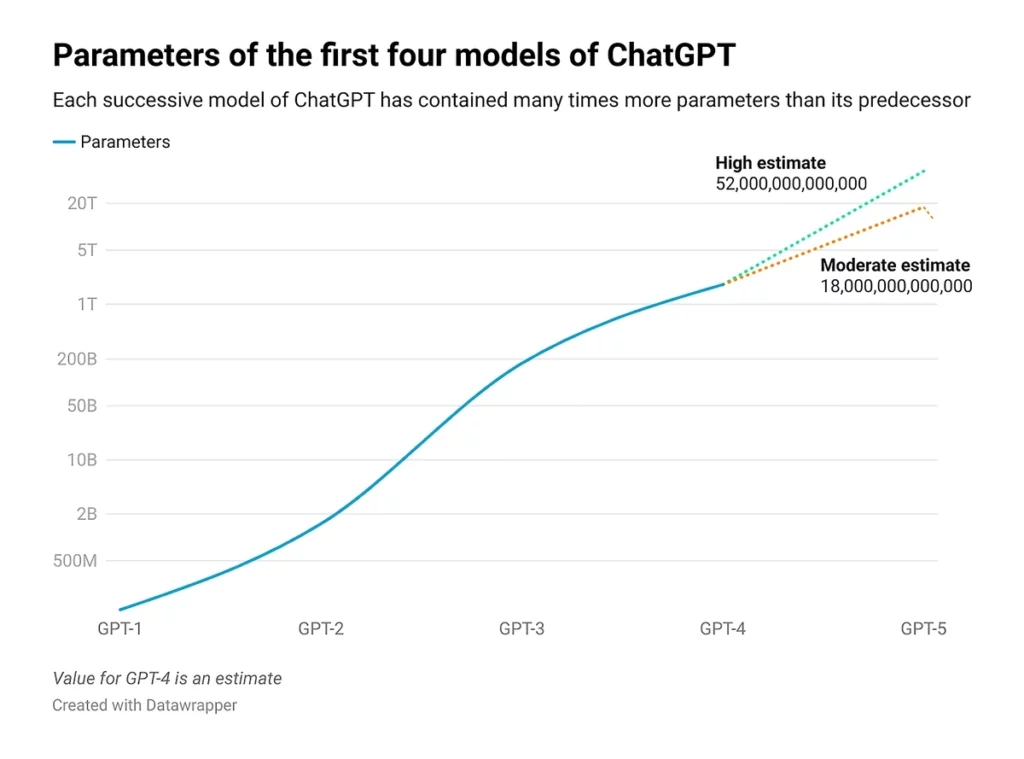
  • Parameter Count. Experts expect GPT-5 to far exceed GPT-4’s estimated 1.5 to 1.8 trillion parameters, boosting its power and efficiency.
  • Speed and Efficiency: Faster data processing will enhance response times and accuracy.
  • Multilingual Proficiency: Improved non-English language support will broaden the model’s global usability.
  • Hallucination Reduction: Enhanced algorithms will minimize inaccurate outputs, a common issue in earlier models.
When Will ChatGPT 5 Be Released Here Is The Latest Info

Final Thoughts

While OpenAI has yet to confirm an official release date, GPT-5’s debut seems imminent. With extensive safety testing and training underway, the model is likely to launch in late 2024 or early 2025. OpenAI’s commitment to innovation and responsible AI development suggests GPT-5 will be a transformative step forward in artificial intelligence.

Is It True That ChatGPT 3.5: Is Access Really Unlimited?

0
Is It True That ChatGPT 3.5 Is Access Really Unlimited

ChatGPT 3.5 has quickly become a go-to tool for many users who rely on it for tasks ranging from drafting emails and generating ideas to coding support and problem-solving. Since its release, many questions have surfaced about its accessibility: Is ChatGPT 3.5 truly available without any restrictions? Are there any hidden limitations in terms of usage, interaction volume, or cost? In this article, we’ll examine the limits of ChatGPT 3.5 access, uncover any potential constraints, and provide tips for maximizing its value.

“Understanding” Is It True That ChatGPT 3.5: Is Access Really Unlimited?

ChatGPT 3.5 is one of the latest iterations in OpenAI’s line of language models, bringing improved conversational abilities and broader applications than previous models. Designed to process text-based queries, ChatGPT 3.5 can assist with a vast range of topics, which makes it a powerful tool for both personal and professional use. But what exactly does “unlimited access” mean in this context, and is it truly without bounds?

Key Features and Accessibility Options

  1. Versatility: ChatGPT 3.5 can engage in various functions such as answering questions, providing educational explanations, and even engaging in creative writing. Its model has been optimized to offer both accurate information and enhanced usability.
  2. Platform Access: ChatGPT 3.5 is accessible through OpenAI’s main website, and users can interact with it through an account. There are also third-party integrations available through API services, allowing businesses to embed ChatGPT functionalities in their applications.
  3. Plan Variability: OpenAI provides a variety of access levels. For instance, while free-tier users can access the basic functionality of ChatGPT, subscribers of OpenAI’s paid plans, such as ChatGPT Plus, get enhanced performance and sometimes priority access during peak times.

Limitations in “Unlimited Access”

Though marketed as widely available, ChatGPT 3.5 does come with certain conditions and limitations. These constraints vary based on factors such as the chosen plan, usage intensity, and the technical restrictions imposed by OpenAI. Here’s a breakdown of the primary factors that influence access:

Is It True That ChatGPT 3.5 Is Access Really Unlimited 2

1. Rate Limits and API Usage

For users leveraging ChatGPT 3.5 through API access, there are rate limits imposed depending on the chosen subscription plan. For example:

PlanMax API Calls per MinuteAdditional Details
Free20 requestsLower processing priority during peak times.
ChatGPT Plus60 requestsPriority access, higher limits, and less chance of throttling
API TierCustomFlexible, based on the API agreement with OpenAI.

While OpenAI markets the service as broadly accessible, API usage fees and rate limits mean that high-volume users might experience some restrictions based on their specific plan.

2. Usage Limits for Free and Paid Accounts

  • Free Users. OpenAI has a basic free version that is accessible to anyone with an account, but free-tier access can be throttled during high-traffic periods. For instance, in times of peak usage, free users may face waiting times or limited access to certain advanced features.
  • Paid Access. ChatGPT Plus subscribers enjoy priority access and faster response times. However, even for Plus subscribers, access is not entirely unrestricted, as there may be daily or monthly soft limits to ensure fair use across the user base.

3. Fair Usage Policy

OpenAI has a fair usage policy that applies to both free and paid tiers. Heavy users—those who rely on the service for high-frequency automated tasks, such as content scraping or large-scale query processing—may experience rate limiting. This is to prevent abuse and ensure that resources are fairly distributed across the community of users.

Exploring True “Unlimited” Interactions

Does this mean that users have a truly limitless ability to interact with ChatGPT 3.5? Technically, unlimited access mainly refers to the frequency and duration of interactions, as OpenAI does not impose specific time-based session restrictions (e.g., session end times or maximum number of responses). However, some hidden aspects influence what “unlimited” really means:

Potential Usage Limitations

  1. Complex Query Constraints. For complex or computationally intense queries, ChatGPT 3.5 may experience processing delays or may limit the depth of the response. Users asking intricate or highly detailed questions may occasionally notice shortened or simplified answers due to the model’s token limitations, which cap the length of responses.
  2. Memory and Chat Continuity. ChatGPT 3.5 does not retain conversations or previous chat history across sessions. Unlike models with advanced memory capabilities, ChatGPT 3.5 treats each interaction independently, meaning it cannot “remember” past user interactions. This can impact the continuity of longer discussions and may feel limiting for users seeking a sustained, “memory-enhanced” conversational experience.
  3. Token Restrictions. Each query in ChatGPT 3.5 is limited to a specific number of tokens (a token generally equates to a word or part of a word). Complex responses or long-winded queries may therefore be cut off if they exceed the token limit.

How to Maximize Your ChatGPT 3.5 Experience

For users looking to make the most of ChatGPT 3.5’s offerings, there are practical strategies to get around some of these limitations:

  1. Use Clear and Concise Prompts. Direct questions yield more targeted answers and avoid potential cutoffs. If you’re seeking in-depth answers, consider breaking down your query into multiple parts.
  2. Utilize ChatGPT Plus. If you frequently use ChatGPT and find the free-tier limitations disruptive, subscribing to ChatGPT Plus could be beneficial. Especially for uninterrupted access during peak usage periods.
  3. Combine Multiple Sessions. If you’re working on complex projects, splitting queries into distinct sessions can help circumvent token limits. Ensuring you receive comprehensive responses across multiple interactions.
  4. Leverage Third-Party Integrations. For business purposes, OpenAI’s API offers flexibility, allowing enterprises to embed ChatGPT 3.5 within applications. While customizing usage rates based on specific organizational needs.

For more insights into maximizing your interactions with ChatGPT and learning about possible limitations in terms of chat numbers, take a look at this article.

ChatGPT 3.5: Pros and Cons for Everyday Users

A practical understanding of ChatGPT 3.5’s benefits and drawbacks helps set realistic expectations about its capabilities and limitations. Here’s a summarized look:

ProsCons
Widely accessible, easy to useFree tier may face throttling in high-traffic periods
Useful for general knowledge, creativityLimited by token count per individual query
API allows for integration and customizationNo memory across sessions
ChatGPT Plus offers prioritized response timeNo option to store or retain conversation history

Is Unlimited Access Justified for ChatGPT 3.5?

Given the fair usage limits, tiered access levels, and rate limitations imposed during peak usage times. The term “unlimited” is perhaps best understood as “broadly accessible within typical user needs.” ChatGPT 3.5 does offer flexibility in terms of query frequency and variety, but power users will find that certain limitations are in place. Mainly to manage infrastructure demands and prevent excessive usage.

Ultimately, ChatGPT 3.5 is designed to be accessible to a broad audience, balancing availability with responsible resource management. Although some minor limits exist, these are unlikely to impact the majority of everyday users, making ChatGPT 3.5 a highly versatile tool.

For the latest news on AI tools, including ChatGPT updates and strategies to avoid common AI scams, visit ChatGPT AI 5. You can also keep updated on relevant developments by checking Google News here.

In conclusion, ChatGPT 3.5’s access model, though not entirely without limits, is sufficiently flexible to accommodate a wide range of user needs. Whether you’re a casual user or a professional leveraging ChatGPT for work. Understanding its boundaries can help you better navigate its powerful AI-driven capabilities.

Latest New In AI Scams And Strategies To Avoid Them

0
Latest New In AI Scams And Strategies To Avoid Them

In recent years, scammers have rapidly adopted artificial intelligence (AI) to create more convincing and diverse schemes. From deepfake videos to voice cloning, phishing, and fraudulent listings, AI-powered scams are increasingly difficult to detect, leading to significant financial losses for individuals and businesses. Here’s a look at some of the latest AI scams making headlines and practical steps to avoid falling victim. “AI Scams and Strategies”

The Rise of AI-Driven Deepfake and Voice Cloning Scams

One prominent example of AI misuse is the surge in deepfake and voice cloning scams. Deepfake technology allows scammers to fabricate videos that appear highly realistic, using AI to mimic celebrities or authority figures convincingly. For instance, a recent scam used a fake video of a celebrity endorsing a kitchenware product, tricking victims into providing personal and financial information under the guise of a small shipping fee. Voice cloning scams exploit a similar principle by cloning the voices of loved ones. Scammers use AI-generated voices to simulate urgent family calls for help, requesting money transfers to solve fabricated crises.

The success of these scams hinges on their emotional impact. Hearing the voice of a familiar person asking for immediate assistance often makes people act before they question authenticity. Unfortunately, AI voice cloning technology has improved significantly, making it harder for individuals to detect these fake interactions.

AI in Phishing: Precision and Volume

Phishing scams have existed for years, but AI has amplified their reach and sophistication. AI-driven tools can generate more persuasive and personalized phishing emails and messages, often free of the common errors that previously signaled a scam. AI’s ability to create bulk messages and mimic trusted organizations means that these scams now reach far more individuals and often appear legitimate. For example, scammers may impersonate postal services, asking for personal information to verify a package delivery. Victims may unwittingly share sensitive data on a fake website resembling a well-known brand.

Latest New In AI Scams And Strategies To Avoid Them

AI-Generated Listing and Employment Scams

The use of AI in fake listing scams is another rising concern. Scammers create convincing ads for property rentals, vehicles, or electronics at attractive prices, relying on AI tools to make the listings look authentic. When interested parties respond, scammers typically request an advance payment. In reality, the listed product or rental does not exist, leaving victims financially harmed and without recourse. AI also facilitates job listing scams by creating realistic company websites and staff profiles, targeting job seekers with promises of high-paying, remote work. Often, these scams involve requests for payment for “training materials” or “certifications,” only to vanish once payments are made.

Strategies for Avoiding AI Scams

  1. Verify Sources: For deepfake and voice cloning scams, always confirm the authenticity of requests through alternative channels. If a family member calls in distress, attempt to contact them via another number before taking action.
  2. Examine Emails and Messages Closely: Even though AI scams are becoming harder to detect, look for subtle red flags, such as unexpected URLs or messages with urgent language that may pressure you into acting quickly. Be wary of messages requesting personal or financial information under time constraints.
  3. Limit Sharing Personal Information: Scammers often use information publicly available on social media to create personalized scams. Consider what details you share online, especially regarding your location, family, and financial circumstances.
  4. Utilize Security Software: Comprehensive security software can detect and block some phishing sites or warn users before they share sensitive information. Companies increasingly deploy AI-driven security tools to identify patterns typical of AI scams, so keeping your software up-to-date can add a layer of protection.
  5. Stay Informed: Awareness is one of the most effective tools against AI scams. Understanding the evolving tactics of scammers can prevent impulsive decisions when faced with potential fraud.

AI’s ability to enhance scams is a growing challenge, and as AI tools become more advanced, so do the tactics of cybercriminals. By adopting a cautious approach and regularly updating security knowledge, individuals and businesses can mitigate the risks associated with these increasingly sophisticated AI-powered scams.

To read more about recent AI Scams and Strategies for preventive measures, visit TechRadar, Tech.co, and Forbes for insights on the impact of AI on cybersecurity.

How Many Chats Can You Have in ChatGPT 3.5? How To Know Now?

0
How Many Chats Can You Have in ChatGPT 3.5 How To Know Now

With ChatGPT’s evolving capabilities, one frequent question from users is: How many chats can you have in ChatGPT 3.5? Whether using the free or paid version, understanding session limitations is essential for getting the most out of this AI-powered tool.

This article will discuss the chat limitations in ChatGPT 3.5, how different subscriptions impact chat frequency, and ways to maximize usage based on real-time information about current policies and user experiences.

How Many Chats Can You Have in ChatGPT 3.5?

1. ChatGPT 3.5 Access Models: Free vs. Plus

ChatGPT provides free access to model 3.5 for any user who creates an OpenAI account. This free tier is designed for general, low-volume usage and allows OpenAI to serve a larger audience. For those needing more flexibility, OpenAI offers a paid plan called ChatGPT Plus, which comes with added perks, including priority access and expanded usage.

In ChatGPT Plus, users gain priority access to both the ChatGPT 3.5 and 4 (turbo) models, reducing wait times and providing better performance during peak periods. Let’s dive into how chat limitations apply differently to free and paid models of ChatGPT 3.5.

2. Free Access and Chat Session Limits

Users on the free tier interact with ChatGPT 3.5 with moderate limitations to ensure fair resource allocation across users. Although OpenAI has not specified an exact cap for daily chats, high-volume users may encounter temporary limits, especially during peak times when the servers are busiest. Here are key points about free access:

  • Session Frequency: There is no strict daily message limit, but OpenAI reserves the right to restrict use if demand is high.
  • Performance Prioritization: Free-tier users may notice slower responses when server demand is high, as resources are allocated first to ChatGPT Plus subscribers.
  • Longer Interactions: Extended, uninterrupted sessions might trigger temporary pauses, ensuring system balance.

These measures aim to keep the service accessible for all without compromising the quality of experience for paid users. Free users may have to wait briefly during peak hours, as OpenAI adjusts usage dynamically based on server load.

3. Paid (ChatGPT Plus) Plan Limits for 3.5

For ChatGPT Plus subscribers, model 3.5 access is more consistent. The monthly $20 fee provides uninterrupted access with limited restrictions, allowing regular use even during high-demand periods. While there isn’t an exact chat cap, here’s what users can expect:

  • Virtually Unlimited Access: ChatGPT 3.5 has no rigid session limits, meaning users can engage in extended chat sessions.
  • Priority Processing: Plus users experience faster response times and are less affected by peak demand.
  • Dedicated Chat Sessions: Users are free to start multiple sessions in a day, which is particularly useful for users needing frequent or consecutive conversations.

The ChatGPT Plus plan ensures better access and improved response times for ChatGPT 3.5, making it the ideal choice for users with frequent, in-depth needs.

4. ChatGPT 3.5’s Message Cap Differences from GPT-4

An important distinction between ChatGPT 3.5 and GPT-4 (Turbo) is the message limit set for GPT-4 in the ChatGPT Plus plan. OpenAI has implemented a cap on GPT-4 usage due to its high computational demands:

  • GPT-4 Limit: 50 messages per three hours, which resets automatically.
  • No Hard Limit on ChatGPT 3.5: Unlike GPT-4, the ChatGPT 3.5 model has no strict message cap, allowing users greater freedom within their daily interactions.

For users needing frequent, uninterrupted AI assistance, ChatGPT 3.5 offers more flexibility than GPT-4 under the same Plus subscription.

We Have Covered About How Many Chats Can You Have in ChatGPT 3.5

5. OpenAI’s API for Developers: Flexible Usage

Developers can access ChatGPT 3.5 through OpenAI’s API, which charges based on token usage rather than session or message counts. This allows custom applications to scale according to the needs of the app or user base. Here are the advantages of API usage:

  • Token-Based Pricing: Rather than counting sessions, the API charges based on total tokens used, making it suitable for varied workloads.
  • Scalability: Ideal for businesses or developers needing extensive access to ChatGPT for multiple users.
  • Flexibility in Application: Developers can integrate ChatGPT 3.5 without session limitations, paying only for the actual usage.

For businesses or developers needing ChatGPT in their apps or platforms, the API offers flexible access without the constraints of web-based session limits.

6. Optimizing ChatGPT Sessions in the Free Tier

For those on the free tier, maximizing the number of productive sessions can make a significant difference. Here are a few strategies to help:

  • Avoid Peak Times: Using ChatGPT during off-peak hours ensures faster access and fewer restrictions.
  • Clear Conversations Frequently: Starting fresh conversations helps manage session memory better, reducing the chance of slowdown.
  • Concise Questions: Focusing queries on specific information helps keep interactions efficient and reduces overall message count.

By following these methods, free users can experience smoother interactions with ChatGPT 3.5 without encountering as many interruptions.

7. What to Expect in Future Versions and Updates

OpenAI’s policy for ChatGPT usage limits may evolve with the release of new versions or based on user feedback. OpenAI has adjusted GPT-4’s message limits to match server capacity and user demand, and similar adjustments may occur with ChatGPT 3.5 based on demand. Here’s what might be expected:

  • Enhanced Server Support: More server resources could mean fewer limits for all users.
  • New Subscription Options: A new subscription tier might offer additional features, such as dedicated server resources or increased message limits for intensive users.
  • Longer and Consistent Sessions: OpenAI might focus on improving session consistency as more users adopt ChatGPT for varied tasks.

Staying updated with OpenAI announcements ensures users can adjust their usage patterns or subscribe to new plans as they become available.

Conclusion: Best Tips to know How Many Chats Can You Have in ChatGPT 3.5

In summary, users wondering about chat limits in ChatGPT 3.5 will find that while there are no fixed session caps, actual usage may vary based on system load, especially for free-tier users. Upgrading to ChatGPT Plus offers enhanced access, with fewer disruptions and faster response times, making it ideal for users who frequently rely on ChatGPT 3.5.

For developers, OpenAI’s API offers the ultimate flexibility, allowing custom usage without web-based limitations. Staying informed about OpenAI’s updates and policies can help users maximize their ChatGPT 3.5 experience and plan their usage effectively.

Do I Get Unlimited ChatGPT 3.5? Know More About Access Limits

0
Do I Get Unlimited ChatGPT 3.5 Know More About Access Limits

The question is, Do I Get Unlimited ChatGPT 3.5? OpenAI’s ChatGPT offers access to multiple models, but usage limits depend on the model type and subscription plan. Users on the free tier can access ChatGPT 3.5 but face some restrictions. Here’s an in-depth guide to ChatGPT 3.5’s usage limits and options for more advanced access.

Do I Get Unlimited ChatGPT 3.5?

1. ChatGPT Free Access: Understanding Usage Constraints

When using ChatGPT’s free version, users are limited to the 3.5 model. OpenAI allocates resources based on system demand, which can affect response speeds. However, usage is generally accessible, with no explicit message caps under the free tier. Many users choose this tier for light interaction, but it may not meet demands for more intensive usage.

2. What ChatGPT Plus Offers for ChatGPT 3.5

Subscribers to ChatGPT Plus, OpenAI’s $20/month plan, receive priority access to both the 3.5 and 4 (specifically 4-turbo) models. This tier doesn’t impose strict message limits for ChatGPT 3.5, offering almost unlimited interactions for non-intensive sessions. However, limits do apply to GPT-4 usage with a cap of approximately 50 messages every three hours. While the subscription allows for regular access to GPT-4, ChatGPT 3.5 remains effectively unlimited in practical terms, as it doesn’t impose rigid usage caps for Plus subscribers.

3. Does OpenAI Limit ChatGPT 3.5 API Usage?

ChatGPT 3.5 also powers OpenAI’s API, which developers use to embed ChatGPT within apps. API usage is token-based, and costs apply per token usage rather than per session or message. Thus, while individual users on the web app may experience relatively free use of ChatGPT 3.5, API usage follows a pay-as-you-go model, making it costly if implemented in applications with high user demand.

4. Changes and Future Limitations

OpenAI has occasionally adjusted ChatGPT’s access conditions based on demand and user feedback. The dynamic nature of these limitations means that restrictions might appear during peak times or as OpenAI adjusts its policies. For instance, recent updates have seen temporary caps on GPT-4 usage in response to demand fluctuations. OpenAI continues to evaluate its policies, with possible adjustments for both free and paid access expected over time.

5. Alternatives to Unlimited Access

If you find yourself needing more than the available options in ChatGPT’s web app, OpenAI’s API offers high-usage capacities through a token-based pricing model. This solution is particularly suitable for developers or businesses needing extensive access to ChatGPT 3.5 and other models, as it allows greater flexibility through scalable usage caps.

Conclusion: Is Unlimited ChatGPT 3.5 a Reality?

While the web-based ChatGPT 3.5 access for individual users, particularly Plus subscribers, is practically unlimited, users who require high-intensity or custom AI interactions may explore API options. By staying updated on OpenAI’s policy changes, users can maximize their ChatGPT 3.5 experience and select the plan best suited for their needs.

New AI Scams: Protect Yourself From The Digital Threat

0
New AI Scams Protect Yourself From The Digital Threat

Artificial Intelligence (AI) has transformed various industries, streamlining tasks and unlocking new opportunities. However, as AI evolves, so do the methods of scammers, who are now leveraging AI to execute more sophisticated frauds. Below are five common AI scams you should be aware of to stay safe in the digital landscape.

5 AI Scams to Be Aware of in 2024

1. AI-Generated Phishing Emails

AI scams often begin with phishing emails, but these are no longer the generic, error-filled messages of the past. AI tools now enable scammers to create highly personalized and convincing phishing attempts. These emails often appear to come from trusted institutions like banks or e-commerce platforms. AI analyzes your online behavior, making these messages tailored to your recent activities, increasing the likelihood of you falling for the scam​

IdentityIQ.

New AI Scams Protect Yourself From The Digital Threat 1

How to stay safe: Always double-check the sender’s email address and avoid clicking on links or downloading attachments from unexpected emails.

2. Voice Cloning Scams

One of the more alarming AI scams involves voice cloning. Using just a few seconds of audio, AI can replicate a person’s voice with eerie accuracy. Scammers have used this technology in so-called “grandparent scams” where they pose as a family member in distress, requesting urgent financial help. Celebrities and public figures are also targets, with scammers cloning their voices to promote fake giveaways or solicitations​

Experian Credit Report.

How to stay safe: If you receive an unexpected call from a family member asking for help, try to verify their identity through a secondary method, like asking them a personal question.

3. Deepfake Video Scams

Deepfake technology, a rising concern in AI scams, involves creating hyper-realistic fake videos of individuals. These videos can make it appear as though someone is saying or doing things they never did. Scammers use deepfakes to promote fake investment opportunities or create fake celebrity endorsements for fraudulent products. Some even use real-time deepfakes during video calls, particularly in romance scams​

Experian Credit Report

Consumer Advice.

How to stay safe: Be skeptical of any video or video call that seems suspicious, and verify the content by checking official sources.

4. AI-Generated Fake Websites

In this AI scam, scammers use AI to generate highly convincing fake websites that mimic legitimate businesses. These websites often offer products at unbelievably low prices, luring victims into sharing personal or financial information. Some are designed to mimic well-known services, tricking you into entering sensitive data like passwords or payment details​

IdentityIQ.

How to stay safe: Always verify the URL of the website, and avoid deals that seem too good to be true. Ensure you’re purchasing only from trusted platforms.

5. AI-Powered Social Engineering Attacks

Scammers now use AI-driven social engineering to manipulate individuals into sharing personal information. AI-powered chatbots are increasingly sophisticated, mimicking human conversation to gain trust. Whether posing as customer support or a trusted friend on social media, these bots can lead to compromised personal information and financial loss​

IdentityIQ

Consumer Advice.

How to stay safe: Be cautious when interacting with online chatbots, especially those that ask for sensitive information. If in doubt, contact the company through official channels to verify the legitimacy of the interaction.

Protecting Yourself from them

The rise of AI scams is an evolving threat, but there are steps you can take to protect yourself. Always verify the sources of communications, avoid sharing personal information over untrusted channels, and invest in strong cybersecurity measures like multi-factor authentication and password management tools​

Consumer Advice.

As AI continues to advance, so do the risks. Staying informed and vigilant is your best defense against these emerging fraud techniques.

The New AI Scams: How To Protect Yourself In 2024

0
The New AI Scams How To Protect Yourself In 2024

Introduction

As artificial intelligence (AI) continues to advance and integrate into everyday life, scammers are finding new ways to exploit this cutting-edge technology. AI scams are on the rise, with criminals using everything from deepfakes to chatbot fraud to deceive unsuspecting victims. In this blog, we’ll delve into the most common AI scams in 2024 and provide tips on how you can protect yourself from falling prey to these sophisticated frauds.

1. Deepfake Scams

Deepfake technology uses AI to create incredibly realistic, but fake, images and videos of people. Scammers have started using deepfakes to impersonate high-profile individuals, such as CEOs and celebrities, to trick people into making financial transactions or sharing sensitive information.

The New AI Scams How To Protect Yourself In 2024 1

AI Scams: How to Protect Yourself in 2024

  • How It Works: Fraudsters create a deepfake video or audio clip that appears to be from a trusted source, like a company executive. They then use this fake content to request large sums of money or personal data.
  • How to Protect Yourself: Always verify the source of a video or audio clip, especially if it comes with a request for money or information. Reach out to the individual directly using a trusted communication channel to confirm authenticity.

2. AI Phishing Bots

Phishing scams, where scammers pose as legitimate companies or people to steal sensitive information, are becoming more advanced with the use of AI-powered bots. These bots can generate personalized phishing emails, mimicking the style and tone of real communications, making them even harder to detect.

  • How It Works: AI phishing bots gather personal data from public sources like social media to craft convincing messages. These emails might seem legitimate, asking you to click a link or download an attachment.
  • How to Protect Yourself: Double-check the sender’s email address and be cautious of unsolicited messages. Never click on links or download attachments from unknown or suspicious sources.

3. Chatbot Impersonation Scams

With the rise of AI-powered chatbots, scammers are creating fake customer service bots that mimic the real ones from legitimate companies. These bots can easily trick users into sharing sensitive information, such as login credentials or credit card details.

  • How It Works: Fraudsters create fake chatbot websites or hijack social media profiles to pose as customer support representatives. When users interact with these bots, they are asked to provide personal details under the guise of resolving an issue.
  • How to Protect Yourself: Always interact with customer service through verified channels. Check that the chatbot you’re talking to is on an official company website, and avoid sharing sensitive information in unsecured chats.

4. AI Investment on AI Scams 2024

AI is transforming the investment landscape, but scammers are using this trend to promote fraudulent investment schemes. These schemes often promise high returns by leveraging AI technology for stock trading, cryptocurrency investments, or financial management. Many victims fall for these scams, thinking they’re getting in on cutting-edge investment opportunities.

  • How It Works: Scammers advertise fake AI-powered investment platforms that promise guaranteed returns. Victims are lured in by professional-looking websites and testimonials, only to lose their money to a non-existent or poorly performing investment tool.
  • How to Protect Yourself: Always research investment opportunities thoroughly. If a platform claims to guarantee returns, it’s likely too good to be true. Verify the legitimacy of the company behind the investment platform before transferring any funds.

5. AI-Generated Fake Reviews

Online reviews are crucial for making informed decisions, but AI has made it easier for scammers to flood review sections with fake, AI-generated reviews. These fake reviews can make a product or service appear more trustworthy than it really is, tricking people into purchasing faulty products or signing up for scams.

  • How It Works: Scammers use AI to generate hundreds or thousands of fake reviews on e-commerce platforms, travel sites, or app stores. These reviews often sound convincing but are entirely fabricated to promote fraudulent products or services.
  • How to Protect Yourself: Look for patterns in reviews, such as similar wording or an unusually high number of positive reviews posted in a short time frame. Use multiple sources when researching products or services, and be wary of overly glowing feedback.

6. AI Scams 2024: Fake AI Services

Some scammers are even creating entirely fake AI services, offering everything from AI writing tools to AI-driven personal assistants. They collect upfront payments from users but fail to deliver any real AI-powered service.

  • How It Works: Scammers create professional-looking websites that promise cutting-edge AI services. Once victims pay for the service, they either receive subpar tools or nothing at all.
  • How to Protect Yourself: Be skeptical of new AI services that seem too good to be true. Research the company thoroughly and look for verified reviews before paying for any AI-powered service.
The New AI Scams How To Protect Yourself In 2024 2

How to Identify an AI Scam

AI scams can be highly convincing, but there are ways to protect yourself. Here are some red flags to watch for:

  • Too Good to Be True: If the offer seems too good, it probably is. AI may be powerful, but it can’t work miracles.
  • Unsolicited Offers: Be cautious of any unsolicited offer involving AI, especially if it involves money or personal information.
  • High-Pressure Tactics: Scammers often try to create a sense of urgency, pushing you to act quickly without thinking. Always take your time to verify the legitimacy of an offer.

What to Do If You’ve Been Scammed

If you’ve fallen victim to an AI scam, there are steps you can take to mitigate the damage:

  1. Report the Scam: Contact your local authorities and report the scam to online platforms where it occurred.
  2. Monitor Your Accounts: Keep a close eye on your financial accounts for any suspicious activity.
  3. Change Your Passwords: If you shared any sensitive information, update your passwords immediately and enable two-factor authentication where possible.
  4. Spread Awareness: Share your experience with others to help prevent them from falling victim to similar scams.

Conclusion

As AI continues to evolve, so too do the scams that exploit it. From deepfakes to phishing bots, these frauds are becoming more sophisticated and harder to detect. By staying informed and cautious, you can protect yourself from the growing threat of AI scams in 2024. Always verify the authenticity of any AI-based service or communication and remain skeptical of offers that seem too good to be true.

Unmasking Telegram Task Scam: How Fraudsters Exploit Trust for Profit

0
Unmasking Telegram Task Scam How Fraudsters Exploit Trust for Profit 2

Innovative ways to earn, but also new scams. One emerging threat is the “Telegram Task Scam,” a scheme that preys on individuals’ desire for quick income. This scam involves fake job offers, small initial payments to gain trust, and ultimately, larger investments that victims are pressured to make. Understanding this scam is crucial to protect yourself and others.

The Anatomy of the Telegram Task Scam

Day 1: Initial Contact and Trust-Building

The scam begins with a message on WhatsApp or Telegram, offering a simple part-time job. Victims are asked to perform tasks like subscribing to YouTube channels or joining a Telegram group. These tasks are easy, and payment is swift, making the offer seem legitimate.

Day 2: Group Tasks and Small Earnings

Once the victim is hooked, they are added to a Telegram group with other ‘participants’. Tasks become slightly more complex but are still achievable, such as liking videos or sharing content. Payment is made after every set of tasks, reinforcing trust. For example, completing three tasks might earn Rs.150, and the cycle continues.

“In the pursuit of easy gains, the path is often fraught with unseen dangers. Stay aware, stay protected.” – ChatgptAI5

The Catch: Investment Requests

After a few rounds of easy money, the scam takes a darker turn. Victims are asked to invest their own money, with promises of returns like 20% profit. It begins with a small amount, such as Rs.1000 for Rs.1200 in return. This initial payout is genuine, further solidifying trust.

The Trap: Large Investments and Losses

The real scam unfolds at this stage. Victims are asked to make larger investments, like Rs.3000 or more, for a promised 25% return. Once the money is sent, the scammers refuse to release funds, citing fake issues like “tax” or “withdrawal fees.” Victims, eager to recover their money, often end up investing more, losing everything.

Unmasking Telegram Task Scam How Fraudsters Exploit Trust for Profit

Why This Telegram Task Scam Works

Psychological Manipulation

The scammers build trust by delivering on small promises before making larger demands. This psychological tactic makes victims more likely to comply with increasing investment requests.

Social Proof

Being in a group with other participants, who are often scam collaborators, creates a false sense of community. Victims see others receiving money, believing they are the exception if they lose out.

How to Protect Yourself

1. Verify Job Offers:

Always verify the legitimacy of job offers received through social media. Contact the official company website or support channels to confirm.

2. Avoid Sharing Personal Information:

Do not share sensitive details like bank account information, UPI IDs, or personal identification with unknown contacts.

3. Use Secure Communication:

Be cautious when using platforms like Telegram for financial discussions. Scammers often exploit its anonymity features.

4. Report and Block Suspicious Contacts:

If you suspect a scam, report it to the platform and block the user. Alert others in relevant groups to prevent further victimization.

Real-Life Impact and Prevention

Victims of the Telegram Task Scam often suffer not only financial loss but also emotional distress. Many feel ashamed for falling for the scam, which can prevent them from reporting the incident. Raising awareness is essential. Community members should share information about these scams to build a collective defense.

Conclusion

The allure of quick money can be tempting, but scams like the Telegram Task Scam remind us that if something seems too good to be true, it probably is. Stay vigilant, verify sources, and always be cautious when dealing with unsolicited job offers or investment opportunities online.

Identify Telegram Scams And How To Protect Your Crypto

0
Identify Telegram Scams And How To Protect Your Crypto

Identify Telegram Scams And How To Protect Your Crypto: With the rise of cryptocurrency, Telegram has become a popular platform for crypto discussions and investments. Unfortunately, it has also attracted scammers targeting unsuspecting users. These scams range from phishing attempts to impersonation of legitimate businesses. Recognizing these tactics and learning to avoid them is essential for safeguarding your assets.

Common Telegram Scams

1. Fake Investment Channels:

Scammers create channels that mimic popular investment groups. They share fake success stories and promises of high returns to lure victims into sending cryptocurrency.

2. Phishing Bots:

Phishing bots impersonate legitimate services, asking users for private keys or login details. Once provided, scammers gain access to the victim’s wallet.

3. Impersonation of Admins:

Scammers often pose as group admins or support staff. They contact users privately, offering assistance or exclusive deals. Genuine admins never message first, making unsolicited contact a clear red flag.

4. Pump and Dump Schemes:

These scams involve artificially inflating the price of a low-value coin. Once enough people invest, the scammers sell their holdings, causing the coin’s value to plummet and leaving investors with losses.

Identify Telegram Scams And How To Protect Your Crypto

“Invest in knowledge before investing in assets. Awareness is your best safeguard.” – ChatgptAI5

How to Spot and Avoid Scams

1. Check for Verification:

Legitimate groups and channels often have verified badges. Always verify the authenticity of the channel before engaging.

2. Avoid Sharing Sensitive Information:

Never share private keys, wallet passwords, or personal information. Reputable services will never ask for these details.

3. Use Strong Security Measures:

Enable two-factor authentication (2FA) on all your accounts. Use a password manager to keep your passwords secure.

4. Be Skeptical of Unrealistic Promises:

Scams often promise high returns with little risk. If an offer seems too good to be true, it probably is.

5. Report Suspicious Activity:

If you encounter a scammer, report the account to Telegram. Warn others in the community to prevent further victimization.

How to Recover from a Scam

If you’ve fallen victim to a scam, take immediate steps to protect your remaining assets. Transfer your funds to a new wallet and update all security settings. Report the incident to relevant authorities and seek legal advice if necessary.

Conclusion

Staying informed and vigilant is the best defense against Telegram scams. By recognizing common tactics and knowing how to protect yourself, you can safely navigate the crypto landscape.

10FansLike
18FollowersFollow
19FollowersFollow
15SubscribersSubscribe

Recent Posts